it should be pointed out that the ant rest is not truly a drop-away. It moves vertically downward with decreasing resistance but never has 0 resistance. This is why it returns and resets itself unlike some other rests. This is the way I wanted it to be and think it has substantial advantages in guidance and easy tuning. In this way the ANT rest could be categorized as a “rebounding rest” although it’s rebound is very different than a spring. It does not bounce but stays with the shaft as long as the archers paradox will allow. The zniper and Gillo GMR are currently the only rests that freefall completely down without rebound. The gabriel rest is similar to the ant rest as far as returning and having diminishing resistance but it does not drop straight down. It rotates downward and inwardly simultaneously in an arc. Direct downward forces will not drop it. As a consumer it is your job to understand this difference and rationalize what you believe will work best for you.
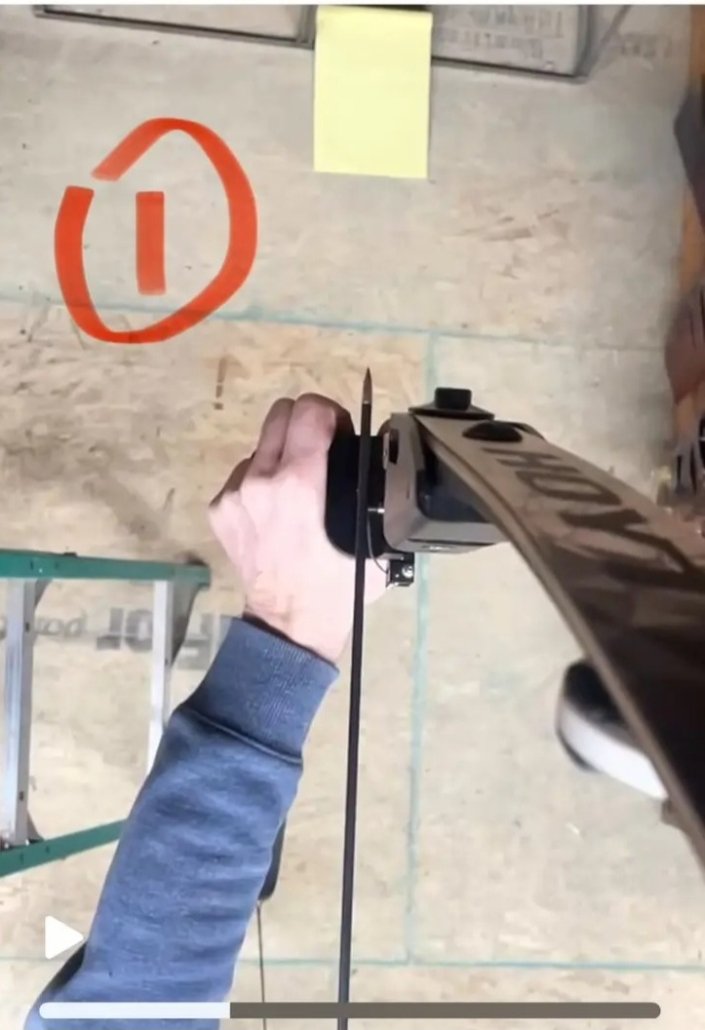
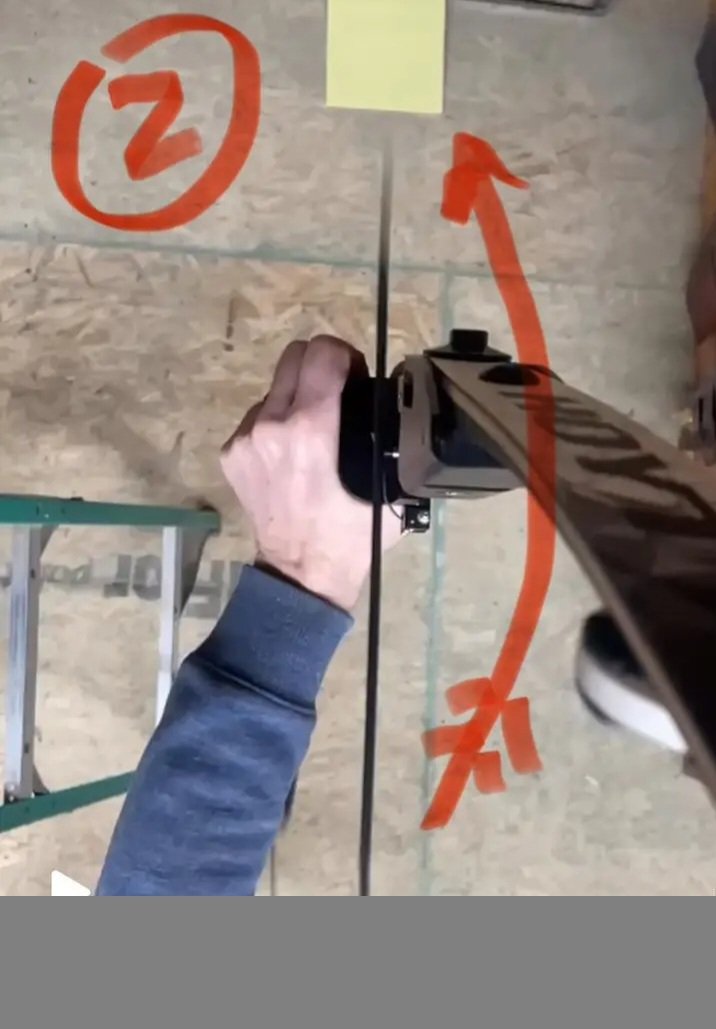
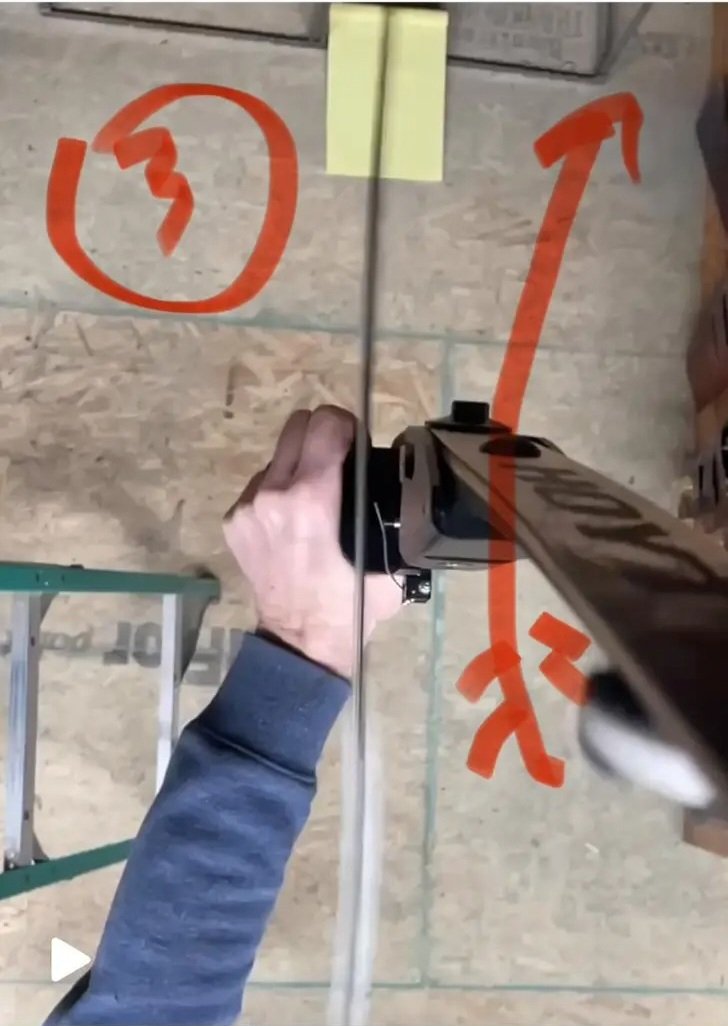
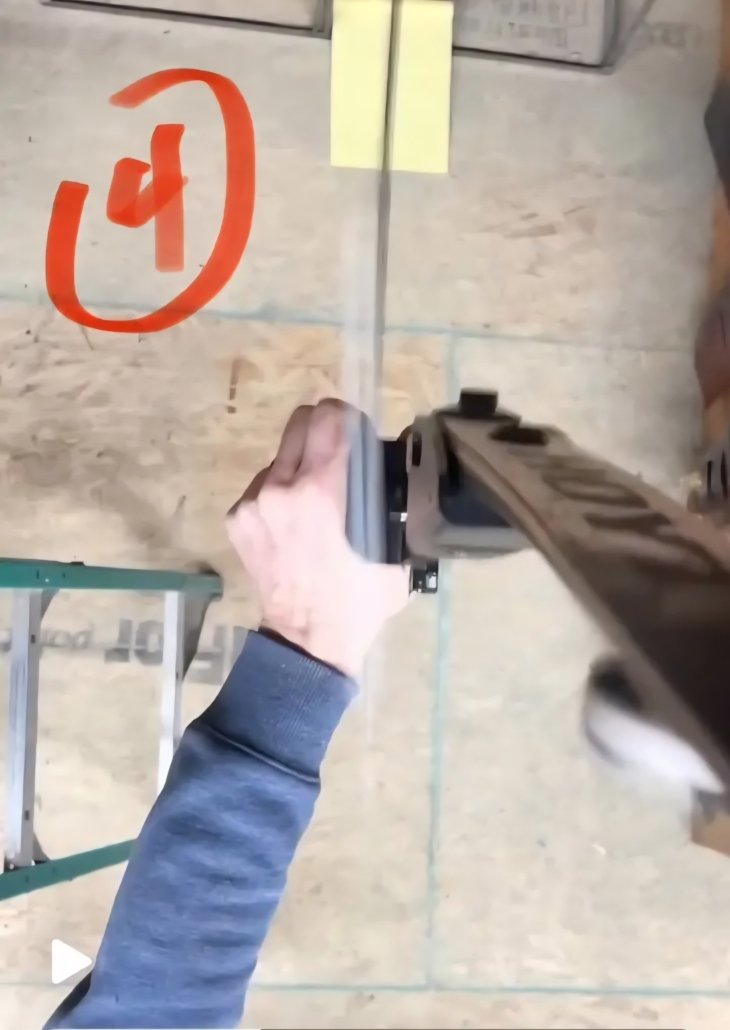
It could then be conjectured that contact could occur with the rest arm later as the arrow passes with the Ant Rest. There is a distinct reason this is not a reality and if it is there is another problem. First, we must look at the archers paradox with correctly spined arrows. Immediately at release, the shaft flexes towards the midline then as it continue on with it’s fishtail path it flexes away from the plunger and although it is traveling at plunger height it is not horizontally near the plunger or arm (see photo 3 below). Then as it arches around the riser it starts the flex in the opposite direction to straighten the arrows forward flight path but still slightly wide of the plunger (photo 4). If spine is too stiff, the shaft cannot flex around the handle and it continues at an angled outward plane with the tail contacting plunger and or arm. This, I have found is the most common cause of “contact” and it does seem many archers tend to err on the stiff side with spine selection or be tuning a false weak bareshaft reaction. Simply increasing point weight, length or lighter spine often solves this contact issue. Extremely light spine can cause tail of shaft to make contact as it whips around the bow too violently. But, again, I do not see that often. Another note about contact is that it is most often contact with the plunger not the arm that damages fetching. The arm has a gentle enough approach that it should not interfere with fletchings and if it is you must analyze what is causing the tail to be thrown so drastically into the rest. The early drop phenomena also may explain contact problems because the shaft is teaveling too low and without plunger resistance to the paradox travels more medially between plunger and arm.
Photos courtesy of Rossing Archery